Blog
How to Fix Afzal Shisha Tobacco

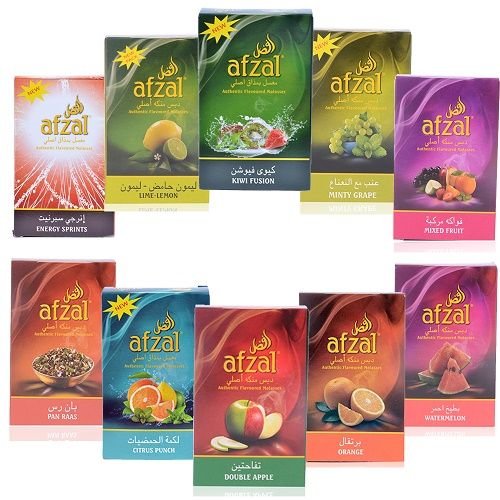
Afzal Shisha Tobacco is a popular choice among hookah enthusiasts because of its rich flavors, smooth smoke, and strong aroma. However, sometimes users face issues such as harsh smoke, weak flavor, poor clouds, or burnt taste. These problems are usually not due to the tobacco itself but rather how it is stored, packed, or heated.
The good news is that most of these issues can be fixed easily with proper techniques and a little attention to detail. In this guide, you will learn how to fix common problems with Afzal Shisha Tobacco and improve your overall hookah experience.
Understanding Afzal Shisha Tobacco
Afzal Shisha Tobacco is a flavored tobacco mixed with molasses (glycerin), flavorings, and leaves. It requires proper heat management and packing to produce thick smoke and strong flavor.
Common characteristics:
- Moist and sticky texture
- Strong fragrance
- Medium to strong nicotine level
Because of its composition, improper handling can easily lead to problems.
1. Problem: Harsh or Burning Smoke
Causes:
- Too much heat
- Tobacco packed too tightly
- Direct contact with charcoal
Fix:
Step 1: Reduce Heat
If the smoke feels harsh or burns your throat, it usually means too much heat.
- Remove one piece of charcoal
- Move coals to the edge of the bowl instead of the center
Step 2: Repack the Bowl
Overpacking restricts airflow and causes burning.
- Fluff the tobacco gently
- Avoid pressing it down too hard
Step 3: Use Proper Foil Setup
Make sure the foil is tight and has enough holes for airflow.
2. Problem: Weak Flavor
Causes:
- Old or dry tobacco
- Insufficient heat
- Poor packing
Fix:
Step 1: Check Freshness
If your Afzal tobacco is dry, the flavor will be weak.
- Mix the tobacco well inside the container
- If extremely dry, consider adding a few drops of glycerin
Step 2: Increase Heat Gradually
Weak flavor often means not enough heat.
- Add one more charcoal piece
- Wait a few minutes for the flavor to develop
Step 3: Proper Packing Method
Use a fluff pack technique.
- Sprinkle the tobacco loosely into the bowl
- Leave space for airflow
3. Problem: No Smoke or Low Smoke Output
Causes:
- Low heat
- Poor airflow
- Incorrect bowl packing
Fix:
Step 1: Check Charcoal Quality
Use fully lit charcoal. Half-lit coals produce less heat and smoke.
Step 2: Improve Airflow
- Make enough holes in the foil
- Ensure the hookah hose is not blocked
Step 3: Adjust Packing
Avoid packing too tight or too loose.
4. Problem: Burnt Taste
Causes:
- Overheating
- Tobacco touching foil
- Long session without adjustment
Fix:
Step 1: Remove Excess Heat Immediately
Take off one or more coals.
Step 2: Check Tobacco Level
Make sure tobacco is not touching the foil.
- Leave a small gap between tobacco and foil
Step 3: Rotate Charcoal
Move coals around to distribute heat evenly.
5. Problem: Tobacco Too Dry
Causes:
- Improper storage
- Leaving container open
- Exposure to heat
Fix:
Step 1: Add Moisture Back
You can revive slightly dry tobacco.
- Add a small amount of glycerin
- Mix thoroughly
Step 2: Store Properly
- Keep in an airtight container
- Store in a cool, dark place
6. Problem: Tobacco Too Wet
Causes:
- Excess molasses
- Poor mixing
Fix:
Step 1: Drain Excess Liquid
If the tobacco is too wet, it may not heat properly.
- Place it on a paper towel for a few minutes
Step 2: Mix Properly
Ensure the molasses is evenly distributed.
7. Problem: Uneven Flavor During Session
Causes:
- Uneven heat distribution
- Poor charcoal placement
Fix:
Step 1: Rotate Charcoal Regularly
Move coals every 10–15 minutes.
Step 2: Stir Tobacco (if needed)
For longer sessions, gently stir the top layer.
8. Problem: Short Session Duration
Causes:
- Too much heat
- Small bowl size
- Incorrect packing
Fix:
Step 1: Use Moderate Heat
Too much heat burns tobacco quickly.
Step 2: Use a Proper Bowl
Choose a medium or large bowl for longer sessions.
Step 3: Pack Correctly
A balanced pack ensures longer-lasting sessions.
9. Problem: Bad Smell or Off Taste
Causes:
- Contaminated tobacco
- Dirty hookah setup
- Old charcoal residue
Fix:
Step 1: Check Tobacco Quality
If it smells bad, it may be expired.
Step 2: Clean Your Hookah
- Wash all parts thoroughly
- Remove old residue
Step 3: Use Fresh Charcoal
Old or low-quality charcoal can affect taste.
10. Best Practices for Using Afzal Shisha Tobacco
To avoid problems, follow these tips:
1. Proper Storage
Always keep your tobacco in an airtight container to maintain moisture and flavor.
2. Use Quality Charcoal
Natural coconut coals are recommended for better heat control.
3. Control Heat Carefully
Start with fewer coals and increase gradually.
4. Pack the Bowl Correctly
Fluff packing works best for Afzal tobacco.
5. Clean Your Hookah Regularly
A clean setup ensures better flavor and smoke quality.
11. Step-by-Step Ideal Setup
Here is a simple method to get the best performance:
- Take Afzal tobacco and mix it well
- Fluff pack into the bowl without pressing
- Cover with foil and make small holes
- Place 2–3 fully lit coals on the edges
- Wait 2–3 minutes before smoking
- Adjust heat as needed
12. When to Replace Your Tobacco
You should replace your Afzal Shisha Tobacco if:
- It has no smell
- It tastes burnt even with low heat
- It is extremely dry or contaminated
Using fresh tobacco always gives the best experience.
Conclusion
Fixing issues with Afzal Shisha Tobacco is mostly about proper heat management, correct packing, and good storage. Problems like harsh smoke, weak flavor, burnt taste, or low smoke are common but easy to solve with the right approach.
By understanding how the tobacco reacts to heat and airflow, you can quickly identify and fix any issue. Regular maintenance, proper setup, and careful handling will ensure a smooth, flavorful, and enjoyable hookah session every time.