Blog
Adalya vs. Al Fakher Shisha Tobacco Reviews

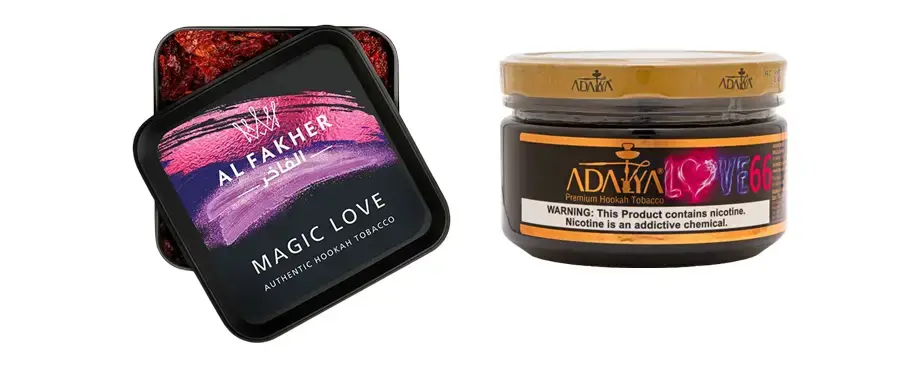
Shisha tobacco — also called hookah tobacco, waterpipe tobacco, or maassel — is a flavored tobacco product traditionally used in hookah or waterpipe smoking. Two well-known names in this space are Adalya and Al Fakher. Both brands have international recognition and extensive flavor lines, but the products differ in formulation, flavor profiles, production philosophies, and cultural identity.
This article explores:
- Background and history
- Production processes
- Flavor design and sensory profiles
- User experience considerations
- Packaging and market positioning
- Regulatory and health context
- Cultural and social aspects
- Environmental considerations
The goal is to provide a comprehensive, balanced overview without encouraging use.
1. Origins and Brand Background
Al Fakher
Al Fakher is one of the oldest and most recognized names in the shisha tobacco industry. Originating from the Middle East, Al Fakher became well known for:
- Wide availability
- Classic flavor profiles
- Consistency in production
The brand’s long-standing presence has made it a staple in many hookah lounges and among enthusiasts worldwide.
Adalya
Adalya is a relatively newer player compared with Al Fakher but has grown quickly, especially in European and international markets. Adalya is known for:
- Bold, modern flavor blends
- Bright packaging
- A wide variety of innovative profiles
While both brands operate globally, they often appeal to slightly different segments of shisha tobacco users.
2. How Shisha Tobacco Is Made
Both Adalya and Al Fakher follow similar basic production processes, though specific techniques, ingredient proportions, and flavor formulation methods vary.
Common Components
Shisha tobacco typically consists of:
- Tobacco leaves
- Molasses or glycerin (for moisture and sweetness)
- Flavoring agents
- Humectants (to retain moisture)
The process involves:
- Selecting and processing tobacco leaves
- Mixing with sweeteners and humectants
- Adding flavor compounds
- Aging or resting so flavors settle
The goal is a tobacco mixture that produces flavorful smoke (technically, aerosol) without burning too quickly.
Differences in Approach
- Al Fakher tends to use simpler, classic blends with reliable performance and predictable flavor intensity.
- Adalya puts emphasis on modern and creative blends, often combining multiple fruit or dessert-inspired profiles.
These differences in formulation philosophy influence the sensory outcomes.
3. Flavor Design and Sensory Profiles
Flavor development is a key point of distinction between brands. The design of a shisha flavor involves sensory science — how different molecules interact with aroma and taste receptors.
Al Fakher Flavor Characteristics
Al Fakher traditionally offers:
- Single-note profiles — like mint, apple, or grape
- Classic fruit combinations
- Balanced sweetness
- Moderate intensity — not overpowering
Consumers often describe these flavors as:
- Smooth
- Familiar
- Predictable
Because of this, many lounges and casual users prefer Al Fakher for a consistent session.
Adalya Flavor Characteristics
Adalya’s flavor profiles include:
- Bold blends — fruit mixtures or modern combinations
- Creative, sometimes unconventional pairings
- Higher perceived intensity
- Bright, vibrant flavors
These can appeal to users seeking:
- More adventurous taste experiences
- Stronger aromatic and flavor impact
Some users note that Adalya flavors can feel more pronounced, whereas Al Fakher may feel milder or more classic.
4. User Experience Considerations
User experience with shisha tobacco involves multiple factors:
Preparation and Packing
Both brands are designed to be:
- Easy to pack in a hookah bowl
- Moist enough to prevent rapid burning
- Compatible with foil or metal heat management systems
Tobacco stringiness, moisture level, and texture can affect:
- How easy it is to prepare
- How consistently it smolders
- How evenly heat distributes
Flavor Intensity and Smoke Volume
Flavor intensity and smoke density depend on:
- Heat source (charcoal, heat management device)
- Packing method
- Bowl type
Many users find that:
- Al Fakher trends toward smooth, medium intensity
- Adalya can trend stronger or more vibrant
Neither is inherently better; it depends on user preference.
5. Packaging and Presentation
Packaging serves both functional and branding roles.
Al Fakher
- Often uses simple, classic designs
- Consistent branding across flavors
- Emphasis on tradition and reliability
Adalya
- Uses bright, modern visuals
- Bold artwork and contemporary design
- Signals creativity and variety
Packaging doesn’t affect how the tobacco performs — but it does shape how consumers perceive the product.
6. Regulatory and Health Context
It is important to understand that:
- Shisha tobacco contains nicotine, an addictive substance.
- Tobacco smoke contains compounds that can affect respiratory and cardiovascular systems.
- Health authorities generally recommend that minors avoid tobacco products entirely.
Neither brand is marketed as safe or risk-free. Both deliver tobacco smoke, which differs from aerosol or steam in composition and health effects.
In many countries, regulations require:
- Health warnings on packaging
- Age minimums for purchase
- Restrictions on advertising
This regulatory context is essential to understand the environment in which these products are sold.7.Cultural and Social Context
Shisha smoking has a long cultural history in parts of the Middle East, North Africa, and South Asia. Traditional use often involves:
- Social gatherings
- Extended sessions
- Shared hookah pipes
Both Al Fakher and Adalya products are used in such contexts, but how they are experienced can vary with culture and location.
In some social environments:
- The flavor experience is part of group activity
- The ritual of preparation and sharing matters as much as the taste
Understanding cultural context helps explain why these products remain present despite public health concerns.
8. Environmental Considerations
Shisha tobacco use also raises environmental questions:
- Single-use charcoal discs create waste and emissions
- Packaging contributes to landfill waste
- Charcoal combustion releases particulates
Some consumers are more interested in:
- Sustainable charcoal alternatives
- Reusable components
- Reducing environmental impact
Environmental awareness is part of responsible consumer understanding.
9. Comparing Flavor Profiles Side by Side
To illustrate differences in flavor philosophy:
| Feature | Al Fakher | Adalya |
|---|---|---|
| Flavor Intensity | Moderate | Often Stronger |
| Blend Style | Classic, Simple | Creative, Bold |
| Popular Flavor Types | Traditional fruit, mint | Fruit mixes, dessert blends |
| Target Experience | Smooth, familiar | Vibrant, standout |
| Packaging Style | Classic | Modern, eye-catching |
| User Perception | Predictable | Adventurous |
This comparison highlights differences in design philosophy — but neither is inherently “better.”
10. Engineering and Sensory Science Behind Flavors
Flavor science combines chemistry and human sensory perception:
- Aroma molecules interact with olfactory receptors
- Taste molecules stimulate sweet, sour, salty, bitter, umami receptors
- Heat affects how flavors volatilize and reach receptors
Both brands rely on:
- Flavor chemists
- Sensory testing
- Consumer feedback
To create balanced profiles, formulations aim for harmony between scent and taste — similar to how perfumers or flavorists work in food and beverage industries.
Conclusion
Al Fakher and Adalya are two prominent shisha tobacco brands with distinct identities:
- Al Fakher — Known for tradition, balance, and classic flavor profiles
- Adalya — Known for creative blends and bold taste experiences
Both have their place in the market, and both reflect broader trends in sensory design, cultural use, and consumer preference.