
Blog
How to Activate Afzal Shisha Tobacco

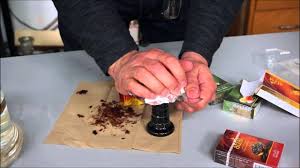
Afzal Shisha Tobacco is a flavored tobacco product used in hookah (also called shisha or waterpipe). It is typically made from a mix of tobacco leaves, molasses or honey-like syrup, and flavoring agents such as fruit, mint, or spice blends.
Unlike cigarettes, shisha tobacco is not burned directly in the same way. Instead, it is heated so that the flavor and nicotine-containing vapor are produced and then inhaled through a waterpipe system.
Common flavor profiles in products like Afzal include:
- Fruit blends (apple, grape, mango, etc.)
- Mint or menthol-style flavors
- Dessert or spice-inspired mixes
How a Hookah System Works (High-Level Explanation)
A hookah is a multi-part device designed to pass heated smoke or vapor through water before inhalation. While designs can vary, the basic structure usually includes:
- A bowl where shisha tobacco is placed
- A heat source placed above the bowl
- A water chamber at the base
- A hose or mouthpiece for inhalation
When heat is applied above the tobacco, it warms the mixture and produces smoke or vapor. This then passes through water before reaching the user.
The water does not remove all harmful substances—it mainly cools the smoke, making it feel smoother when inhaled.
Important Health Considerations
Even though shisha is often flavored and may feel smoother than cigarettes, it still involves tobacco exposure. This means it carries significant health risks.
1. Nicotine Exposure and Dependence
Shisha tobacco contains nicotine, which is a substance that can cause dependence. Nicotine affects the brain by stimulating dopamine release, which can create a habit-forming cycle over time.
Regular exposure may lead to:
- Cravings
- Habit formation
- Difficulty stopping use
2. Inhalation of Harmful Chemicals
When tobacco is heated, it produces smoke that contains multiple harmful substances, including:
- Carbon monoxide
- Tar-like compounds
- Irritating chemicals affecting the lungs
Even though water cools the smoke, it does not filter out these harmful substances completely.
3. Lung and Breathing Effects
Frequent exposure to shisha smoke can irritate the respiratory system. This may lead to:
- Coughing or throat irritation
- Reduced lung comfort during physical activity
- Long-term respiratory strain with repeated use
4. Misconception About “Safer” Use
One of the most common misconceptions is that shisha is safer than cigarettes because it passes through water or is flavored. In reality:
- Water does not remove most toxic substances
- Flavoring does not reduce health risks
- Long sessions can result in significant smoke exposure
In some cases, a single hookah session can involve inhaling a large volume of smoke compared to cigarettes.
Social and Environmental Aspects
Shisha is often used in social settings. While this makes it a shared activity, it also increases exposure for multiple people in the same environment.
Effects may include:
- Secondhand smoke exposure for others nearby
- Strong lingering odor in indoor spaces
- Air quality reduction in enclosed areas
Ventilation can reduce but not eliminate these effects.
Why People Use It (General Understanding)
People often try shisha tobacco for reasons such as:
- Social gatherings
- Curiosity about flavors
- Cultural or traditional settings in some regions
- Relaxation environments
However, enjoyment and social use do not reduce the health risks involved.
Key Takeaway
Afzal Shisha Tobacco is a flavored tobacco product used in hookah systems, where it is heated to produce inhalable smoke. While it is often marketed with appealing flavors and used socially, it still contains nicotine and produces harmful substances when heated.
From a health perspective, it is important to understand that:
- It is not risk-free
- It can lead to nicotine dependence
- It exposes users to toxic smoke compounds