
Blog
How Al Fakher Shisha Tobacco Is Used

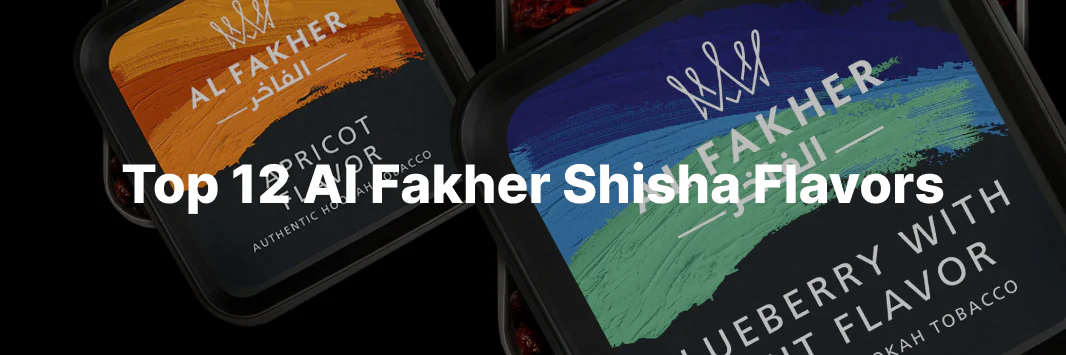
Al Fakher is one of the most internationally recognized shisha tobacco brands, known for its wide flavor range and consistent moisture level. Shisha tobacco itself is a blend of tobacco leaves, flavorings, glycerin, and molasses or honey. While many people associate shisha with social gatherings and cultural traditions, it is important to understand that shisha tobacco contains nicotine and produces smoke when heated, which can pose health risks.
https://alfakhershisha.ae/This guide explains what happens during shisha preparation and use, how Al Fakher tobacco behaves during a typical session, and what users generally consider when handling it. The purpose is informational, not promotional or instruction
Understanding Al Fakher Shisha Tobacco
Before discussing usage, it helps to understand what makes Al Fakher distinctive.
Al Fakher shisha tobacco is:
- Medium-cut tobacco leaves
- Evenly soaked in molasses and glycerin
- Designed for balanced flavor release rather than extreme strength
- Known for consistent quality across flavors
The tobacco is pre-flavored and ready to use straight from the packaging, meaning it does not require fermentation or additional mixing.
The Role of the Hookah Setup (Conceptual Overview)
- A bowl (where the tobacco sits)
- A body and stem
- A water base
- A hose and mouthpiece
- A heat source placed above the bowl
Each part affects airflow, temperature, and smoke density. Al Fakher tobacco is formulated to perform consistently across most standard hookah designs.
Preparing Al Fakher Shisha Tobacco (High-Level Explanation)
Handling the Tobacco
Al Fakher shisha tobacco is moist and sticky due to glycerin and molasses. Users typically:
- Gently loosen the tobacco to separate leaves
- Avoid compressing it tightly, as airflow is important for even heating
This loose packing style helps the tobacco heat evenly and reduces the chance of harsh smoke.
Bowl Interaction
Different bowl shapes influence how Al Fakher tobacco heats:
- Shallow bowls heat faster
- Deeper bowls allow longer sessions
- Wider bowls spread heat more evenly
Because Al Fakher is not overly heat-resistant, careful heat balance is important to avoid overheating.
Heat Interaction and Smoke Formation
Unlike direct combustion, shisha relies on indirect heat transfer.
When heat is applied:
- Glycerin vaporizes, producing thick smoke
- Flavor compounds are released gradually
- Tobacco leaf heats without immediate ignition
If overheated, the tobacco can scorch, leading to bitterness and reduced flavor. Al Fakher is known for a moderate heat tolerance, making it forgiving compared to darker or stronger shisha tobaccos.
Flavor Release and Session Progression
Early Session
At the beginning:
- Flavors are typically bright and pronounced
- Smoke is smoother and lighter
- Nicotine delivery is relatively mild
Al Fakher flavors are designed to be accessible, especially for users who prefer sweet, fruity, or minty profiles.
Mid Session
As the session continues:
- Smoke density increases
- Flavors become fuller and warmer
- Heat management becomes more important
This is usually when Al Fakher performs at its best, delivering a stable balance of flavor and smoke.
Late Session
Toward the end:
- Flavors may fade
- Smoke can become thinner or harsher
- Tobacco moisture gradually decreases
At this stage, many users choose to end the session rather than continue heating depleted tobacco.
Common Flavor Styles in Al Fakher
Understanding flavor categories helps explain how the tobacco is experienced:
- Fruit flavors (apple, grape, watermelon): Sweet and aromatic
- Mint and menthol blends: Cooling and refreshing
- Dessert flavors: Creamy and smooth
- Traditional blends: Inspired by classic Middle Eastern profiles
Al Fakher is especially known for double apple-style flavors, which are often associated with traditional shisha culture.
Social and Cultural Context
Shisha smoking has cultural roots in parts of the Middle East, South Asia, and North Africa. In these contexts, it is often:
- Shared in groups
- Used during long conversations
- Associated with cafés and social spaces
Al Fakher has become popular partly because its flavors appeal across cultures while remaining familiar to traditional users.
Storage and Handling Considerations
Proper storage affects how the tobacco performs:
- Exposure to air can dry the tobacco
- Heat can degrade flavor compounds
- Mixing flavors unintentionally can alter taste
Al Fakher packaging is designed to maintain moisture, which is essential for consistent smoke production.
Health Considerations and Awareness
It is important to clearly understand the health implications:
- Shisha smoke contains nicotine, tar, and carbon monoxide
- Water filtration does not eliminate harmful substances
- Longer sessions can lead to prolonged exposure
- Sharing mouthpieces may increase hygiene risks
Shisha is not a safe alternative to smoking, and its smoothness can make it easier to inhale larger volumes of smoke.
Responsible Awareness
For adults who choose to use shisha where it is legal:
- Moderation matters
- Awareness of nicotine intake is important
- Clean equipment reduces hygiene risks
For non-users or younger individuals, understanding shisha is best approached from an educational and health-focused perspective rather than experimentation.
Why Al Fakher Is Often Chosen (Informational Perspective)
From an observational standpoint, Al Fakher is commonly selected because:
- It delivers consistent flavor
- It is widely available globally
- It suits both solo and group sessions
- It performs reliably across different hookah styles
Its popularity does not imply safety but reflects manufacturing consistency and flavor familiarity.
Conclusion
Al Fakher shisha tobacco is a widely known product within the global shisha community, valued for its balanced flavors and predictable performance. Understanding how it is typically used involves recognizing the interaction between tobacco, heat, airflow, and time—rather than focusing solely on the act itself.
Equally important is acknowledging the health risks associated with shisha tobacco. Education, awareness, and legal age considerations should always come first. Whether approached from a cultural, academic, or informational standpoint, understanding shisha use should never exclude an honest discussion about its potential harm.